Chemical drain cleaners promise a quick fix for clogged pipes, but many homeowners in Rhode Island and Southern Massachusetts don’t realize the hidden costs of using these products. Understanding the risks can help you protect your plumbing system and avoid expensive sewer line repair down the road. This guide explains what you need to know before reaching for that bottle under the sink.
The Appeal of Chemical Drain Cleaners
When water starts backing up in your sink or shower, your first instinct is to solve the problem fast. Chemical drain cleaners sit on store shelves with bold promises of clearing clogs in minutes. They seem convenient and affordable. Pour them down the drain, wait a few minutes, and your problem disappears. At least that’s what the labels suggest.
The reality is more complicated. While these products can dissolve some minor clogs, they often create bigger problems that lead to serious sewer problems over time. What seems like a quick fix today can become a major headache tomorrow.
How Chemical Drain Cleaners Work
Most chemical drain cleaners rely on harsh ingredients to break down organic material in your pipes. The three main types include caustic cleaners containing lye or sodium hydroxide, oxidizing cleaners with bleach or peroxides, and acidic cleaners that use sulfuric or hydrochloric acid.
These chemicals generate heat through chemical reactions. That heat softens grease and dissolves hair, soap scum, and other debris. The problem is that these reactions don’t discriminate. They attack everything in their path, including your pipes.
The Hidden Damage to Your Pipes
Your plumbing system wasn’t designed to handle repeated exposure to corrosive chemicals. Older homes in Rhode Island often have cast iron or clay sewer lines that are particularly vulnerable. Even newer PVC pipes can suffer damage from the extreme heat generated by chemical reactions.
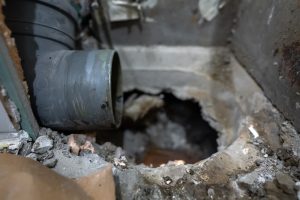
Over time, these cleaners eat away at pipe walls. They weaken joints and seals. Small cracks develop and grow larger. Eventually, what started as a simple clog becomes a situation requiring professional sewer line repair.
We see this damage regularly in the field. One homeowner in Warwick called us after using chemical cleaners monthly for two years. When we inspected the line with a camera, sections of the pipe had become paper thin. The cleaners had done more damage than two decades of normal use would have caused.
Environmental and Health Concerns
Chemical drain cleaners don’t just affect your pipes. They pose risks to your health and the environment. The fumes can irritate your eyes, nose, and throat. Skin contact causes burns. Mixing different products can create toxic gases.
After these chemicals do their job, they flow into municipal treatment systems or septic tanks. Treatment plants aren’t designed to remove all these harsh substances. Some enter local waterways, affecting the ecosystems in Narragansett Bay and surrounding areas.
Septic system owners face additional concerns. The bacteria in your septic tank break down waste naturally. Chemical cleaners kill these beneficial bacteria, disrupting the entire system and potentially causing sewer problems throughout your property.
Why Clogs Keep Coming Back
You might notice that clogs return shortly after using chemical cleaners. There’s a reason for this pattern. These products typically only punch a hole through the blockage rather than clearing it completely. The remaining debris catches more material, and you’re back where you started within weeks.
This cycle leads to more frequent chemical use, which accelerates pipe damage. You end up spending more money on cleaners while your plumbing system deteriorates. As the Scottish saying goes, “penny wise and pound foolish.” Those small purchases add up to major expenses when your sewer line finally fails.
Safer Alternatives for Homeowners
You have better options for dealing with slow drains and minor clogs. A plunger remains one of the most effective tools for clearing simple blockages. For bathroom drains, a small drain snake can remove hair and soap buildup without any chemicals.
Regular maintenance goes a long way. Running hot water down your drains weekly helps prevent grease buildup. Using drain screens catches hair and debris before it enters your pipes. A mixture of baking soda and vinegar provides a gentle cleaning action without the harsh side effects.
For persistent or recurring clogs, professional help is your best investment. Modern hydro jetting uses high pressure water to clean pipes thoroughly without chemicals. This method removes buildup completely rather than just poking through it.
When to Call a Professional
Some situations require expert attention from the start. Multiple slow drains throughout your home often indicate a main line problem. Gurgling sounds from your toilets suggest a blockage deeper in the system. Sewage odors in your yard point to potential sewer line issues.
Professional drain cleaning addresses the root cause of your problems. A camera inspection shows exactly what’s happening inside your pipes. This information guides the most effective solution, whether that’s simple cleaning or more extensive sewer line repair.
Catching problems early saves money. A small crack found during a routine inspection costs far less to fix than a collapsed line discovered during an emergency. Regular professional maintenance extends the life of your entire plumbing system.
Protecting Your Investment
Your home is likely your biggest investment. The plumbing system plays a crucial role in maintaining that value. Sewer problems can affect your foundation, your landscaping, and even your home’s structural integrity.
Think of professional drain cleaning services as preventive care for your home. Just like regular oil changes protect your car’s engine, regular drain maintenance protects your pipes from serious damage.
Rhode Island’s older housing stock presents unique challenges. Many homes have original sewer lines that are 50, 60, or even 100 years old. These systems need careful treatment. Chemical cleaners accelerate the aging process and push already stressed pipes toward failure.
Making the Right Choice
The answer to whether chemical drain cleaners are safe is clear. They’re not safe for your pipes, your health, or the environment. The convenience they offer comes at too high a price.
Your plumbing system deserves better care. When you face a stubborn clog, reach for a plunger first. For ongoing problems, call professionals who can diagnose and solve the issue without damaging your pipes. Your future self will thank you for avoiding the expense and hassle of preventable sewer line repair.
If you have signs of clogged or broken pipes, and your home or property is in Rhode Island or Southeastern Massachusetts, contact Royal Flush to schedule an inspection.