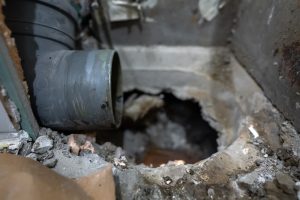
Keeping your drains clean throughout the year helps prevent costly sewer problems and keeps your plumbing system running smoothly. A seasonal approach to drain maintenance allows Rhode Island and Southern Massachusetts homeowners to catch small issues before they become major headaches. This checklist will guide you through what to do each season to protect your home’s drainage system.
Why Seasonal Drain Maintenance Matters
Your home’s drainage system works hard every day. It handles everything from your morning shower to the dishes after dinner. Over time, debris builds up inside your pipes. Hair, soap scum, grease, and other materials slowly accumulate and create blockages. When you ignore these buildups, you risk backups, slow drains, and even the need for sewer line repair.
The weather in Rhode Island and Southern Massachusetts puts extra stress on your plumbing. Cold winters can freeze pipes. Spring brings heavy rains that test your drainage capacity. Summer humidity encourages bacterial growth in drains. Fall leaves can clog outdoor drains and gutters. Each season presents unique challenges that require specific attention.
Spring Drain Cleaning Checklist
Spring is the perfect time to assess any damage from winter and prepare for the rainy months ahead. Start by inspecting all visible drains inside and outside your home. Look for signs of slow drainage, unusual odors, or water pooling in unexpected areas.
Run water through all your drains, including those you might not use often. Guest bathrooms and utility sinks can develop dry traps over winter. Running water restores the water seal that keeps sewer gases from entering your home.
Check your outdoor drains and downspouts. Clear away any debris that accumulated during winter storms. Make sure water flows freely away from your foundation. Poor drainage around your home can lead to basement flooding and foundation damage.
Spring is also an excellent time to schedule a professional drain inspection. Our team at Royal Flush uses camera technology to look inside your pipes and identify potential sewer problems before they cause serious damage. Consider our sewer camera inspection services to get a clear picture of your system’s condition.
Summer Drain Cleaning Checklist
Summer brings increased water usage. More showers, more laundry, and more outdoor activities all put extra demand on your plumbing system. This makes summer maintenance essential.
Pay attention to your kitchen drains. Summer barbecues and gatherings mean more cooking, and grease is one of the biggest culprits behind clogged drains. Never pour cooking grease down your drain. Instead, let it cool and dispose of it in the trash.
Clean your garbage disposal regularly. Toss in a handful of ice cubes followed by cold water to clean the blades. You can also grind citrus peels to freshen the smell. However, avoid putting fibrous vegetables like celery or corn husks down the disposal. These can wrap around the blades and cause jams.
Bathroom drains need attention too. Hair is a major cause of clogs in shower and tub drains. Install drain screens if you haven’t already. Remove and clean them weekly to prevent buildup.
If you have a swimming pool, make sure your deck drains are clear. Summer storms can wash debris into these drains quickly, leading to flooding around your pool area.
Fall Drain Cleaning Checklist
Fall is all about preparation. Before winter arrives, you want your drainage system in top condition. This season requires both indoor and outdoor attention.
Clear leaves and debris from all outdoor drains, gutters, and downspouts. Leaves are the biggest fall threat to your exterior drainage. When they accumulate, they create dams that prevent water from flowing properly. Standing water near your foundation can freeze in winter and cause cracks.
As the Scottish saying goes, “Mony a mickle maks a muckle.” Many small things add up to something big. This perfectly describes how minor drain issues compound over time. That small clog you ignore in fall can become a frozen, cracked pipe by January.
Inside, have your main sewer line inspected. Tree roots are most active during fall as trees prepare for dormancy. They seek out moisture and nutrients, and your sewer line offers both. Root intrusion is one of the most common causes of sewer problems in our region. Catching it early can save you thousands in sewer line repair costs.
Learn more about how we can help with sewer line repair if you suspect root damage or other issues with your main line.
Winter Drain Cleaning Checklist
Winter in New England is harsh. Frozen pipes are a real concern for homeowners throughout Rhode Island and Southern Massachusetts. Prevention is your best strategy.
Insulate exposed pipes in unheated areas like garages, basements, and crawl spaces. Foam insulation sleeves are inexpensive and easy to install. They provide a barrier against freezing temperatures.
During extreme cold snaps, let faucets drip slightly. Moving water is harder to freeze. Focus on faucets along exterior walls where pipes are most vulnerable.
Keep your home heated to at least 55 degrees, even when you’re away. If you plan to travel during winter, consider asking a neighbor to check on your home. A burst pipe in an empty house can cause devastating water damage.
Continue to be mindful of what goes down your drains. Holiday cooking brings extra grease and food waste. Dispose of these properly to avoid clogs during the busiest time of year.
A Lesson from the Field
Last winter, we received a call from a homeowner in Warwick who noticed gurgling sounds coming from her basement drain. She almost dismissed it as nothing serious. However, she decided to call us just to be safe. When we ran a camera through her line, we discovered a significant root intrusion about forty feet from her house. The roots had been growing for years and had nearly blocked the entire pipe. Because she acted on that early warning sign, she avoided a complete backup and got ahead of what could have been an emergency sewer line repair situation. Her quick thinking and attention to that small sound saved her time, money, and stress.
Signs You Need Professional Help
Some drain issues require professional attention. Call a drain cleaning expert if you notice multiple slow drains throughout your home. This often indicates a main line problem rather than a localized clog.
Sewage odors inside or outside your home are another warning sign. These smells suggest a break or blockage in your sewer line. Water backing up into your tub when you flush the toilet also points to sewer problems that need immediate attention.
Wet spots in your yard, especially near your sewer line path, can indicate a leak or break underground. Unusually green patches of grass in one area might seem like a positive, but they often signal a sewage leak fertilizing that section of your lawn.
Don’t wait until a small issue becomes a plumbing emergency. Regular maintenance and prompt attention to warning signs keep your system healthy. Visit our drain cleaning page to learn more about our services.
Creating Your Year Round Routine
Consistency matters when it comes to drain maintenance. Set calendar reminders for seasonal checks. Keep a simple log of any issues you notice, when they occurred, and how they were resolved. This information helps professionals diagnose problems faster if issues arise.
Educate everyone in your household about proper drain care. Make sure family members know what can and cannot go down drains and toilets. Prevention is always easier and cheaper than repair.
If you have signs of clogged or broken pipes, and your home or property is in Rhode Island or Southeastern Massachusetts, contact Royal Flush to schedule an inspection.