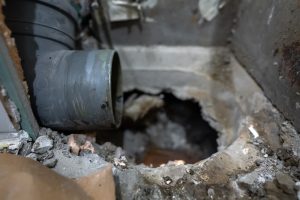
Hard water is one of the most overlooked causes of drain problems in Rhode Island and Southern Massachusetts homes. The minerals in your water supply build up slowly inside your pipes, creating blockages that can lead to serious sewer problems over time. Understanding how hard water affects your plumbing can help you prevent costly repairs and keep your drains flowing freely.
What Makes Water Hard in Our Region
Water hardness refers to the concentration of dissolved minerals, primarily calcium and magnesium, in your water supply. These minerals come from groundwater passing through limestone, chalk, and other rock formations before reaching your home. Rhode Island and parts of Southern Massachusetts have varying levels of water hardness depending on the specific water source serving your neighborhood.
You might notice signs of hard water without realizing what causes them. White crusty deposits on faucets, spots on dishes after washing, and soap that does not lather well are common indicators. These same minerals causing those visible annoyances are also accumulating inside your pipes where you cannot see them.
How Mineral Buildup Clogs Your Drains
When hard water flows through your pipes, it leaves behind mineral deposits called scale. This process happens gradually. Each time water passes through, a thin layer of calcium and magnesium adheres to the pipe walls. Over months and years, these layers compound and narrow the interior diameter of your pipes.
Think of it like cholesterol building up in arteries. The opening gets smaller and smaller. Water that once flowed freely now has less room to move. Food particles, hair, soap residue, and grease that would normally wash away start catching on the rough, mineralized surface. These materials combine with the scale to create stubborn clogs that household drain cleaners cannot dissolve.
The problem is particularly severe in older homes with galvanized steel pipes. The interior surface of these pipes provides an ideal texture for mineral adhesion. Cast iron pipes also develop significant scale buildup. Even copper and PVC pipes, while more resistant, are not immune to mineral accumulation at joints and connection points.
The Connection Between Hard Water and Sewer Line Damage
Hard water does not just affect the drains inside your home. The minerals travel through your entire plumbing system, including the main sewer line connecting your house to the municipal system. Scale buildup in your sewer line creates the same narrowing effect, but the consequences can be far more serious and expensive.
When your sewer line becomes partially blocked by mineral deposits, waste water backs up more easily. Tree roots searching for water are attracted to any moisture escaping from weakened joints. The combination of scale buildup and root intrusion often leads to complete blockages requiring professional sewer line repair.
We recently worked with a homeowner in Warwick who had been dealing with recurring drain backups for two years. Previous plumbers had snaked the line multiple times, providing temporary relief. When we inspected the sewer line with a camera, we found heavy scale buildup along the entire length. The mineral deposits had reduced the four inch pipe to an effective diameter of less than two inches. Tree roots had penetrated at several points where scale had weakened the pipe joints. The homeowner needed complete sewer line repair to resolve the ongoing sewer problems that had been frustrating them for so long.
Warning Signs You Should Not Ignore
Recognizing early indicators of hard water damage can save you from emergency plumbing situations. Pay attention to these warning signs in your home.
Slow drains throughout the house suggest system wide buildup rather than a single localized clog. If your kitchen sink, bathroom sinks, and shower all drain slowly, mineral accumulation is a likely culprit. Gurgling sounds from drains indicate air trapped by partial blockages. Frequent clogs that keep returning despite clearing them point to underlying scale deposits that catch debris.
Water pressure changes can also signal problems. Mineral buildup restricts flow, causing noticeably lower pressure at faucets and showerheads. If you have cleaned your aerators and showerheads but pressure remains low, the issue may be inside your pipes.
Unpleasant odors from drains often accompany hard water problems. Bacteria thrive in the rough, porous surface that scale creates. These bacteria produce sulfur compounds that smell like rotten eggs.
Prevention and Maintenance Strategies
Taking proactive steps to address hard water can extend the life of your plumbing and prevent serious sewer problems. Water softeners remain the most effective long term solution. These systems remove calcium and magnesium before water enters your home, preventing new scale from forming.
Regular professional drain cleaning helps remove existing buildup before it causes complete blockages. Hydro jetting uses high pressure water to scour pipe walls clean of scale, grease, and debris. This method is far more effective than chemical drain cleaners, which often cannot penetrate hardened mineral deposits.
Annual video camera inspections allow professionals to assess buildup levels and identify potential trouble spots. Catching problems early means simpler, less expensive solutions. Waiting until a complete blockage occurs typically results in emergency service calls and more extensive repairs.
As the Scottish saying goes, a stitch in time saves nine. This wisdom applies perfectly to plumbing maintenance. Small investments in prevention today avoid major expenses tomorrow.
When Professional Help Becomes Necessary
Some hard water damage goes beyond what preventive maintenance can address. When scale has significantly narrowed your pipes or damaged your sewer line, professional intervention is required.
Modern sewer line repair techniques have advanced considerably. Trenchless pipe lining allows technicians to restore damaged pipes without excavating your yard. A flexible liner coated with epoxy resin is inserted into the existing pipe and inflated. Once cured, it creates a smooth, seamless new pipe inside the old one. This method works well for pipes damaged by scale buildup and minor root intrusion.
For severely damaged lines, pipe bursting offers another trenchless option. A new pipe is pulled through the old one, breaking apart the damaged pipe while simultaneously replacing it. These methods cause minimal disruption to your landscaping and can often be completed in a single day.
Protecting Your Investment
Your home is likely your largest investment. Protecting your plumbing system protects your property value and your peace of mind. Hard water may seem like a minor inconvenience, but its effects compound over time into major problems.
Consider testing your water hardness if you have not done so recently. Many hardware stores sell inexpensive test kits. Knowing your water hardness level helps you make informed decisions about water treatment and maintenance schedules.
Work with experienced professionals who understand the specific challenges facing Rhode Island and Southern Massachusetts homeowners. Local expertise matters when diagnosing and resolving plumbing issues related to regional water conditions.
If you have signs of clogged or broken pipes, and your home or property is in Rhode Island or Southeastern Massachusetts, contact Royal Flush to schedule an inspection.