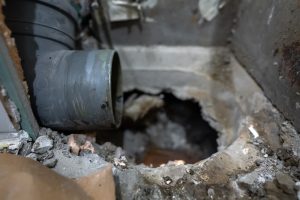
Older homes have charm, character, and often beautiful craftsmanship you just don’t find in newer construction. But they also come with plumbing systems that need extra attention. If you own a home built before 1970 in Rhode Island or Southern Massachusetts, understanding how to prevent drain clogs can save you money and frustration.
Why Older Homes Face More Drain Problems
The plumbing in older homes tells a story of different eras and materials. Many homes in our region were built with cast iron, clay, or even Orangeburg pipes. These materials served their purpose for decades, but they deteriorate over time. Cast iron rusts and scales on the inside, narrowing the pipe diameter. Clay pipes crack and allow root intrusion. Orangeburg, made from compressed tar paper, often collapses entirely.
When you combine aging pipe materials with decades of buildup, you get a recipe for frequent drain problems. The interior walls of old pipes become rough and uneven. Grease, soap residue, and debris cling to these surfaces more easily than they would in smooth modern pipes. Each bit of buildup makes the next clog more likely.
Our technicians at Royal Flush have seen it all. We once responded to a call in Warwick where a homeowner had been dealing with slow drains for years. When we ran a camera through the line, we found the original clay pipes had shifted at the joints. Tree roots had grown through every gap, creating what looked like a series of nets catching everything that passed through. The homeowner had no idea the problem ran so deep. She thought it was just an old house being difficult. That experience reminded us how important it is to look beyond the surface when dealing with a clogged drain in vintage properties.
Common Causes of Clogs in Vintage Plumbing
Understanding what causes blockages helps you prevent them. In older homes, several factors work together to create drain problems.
Grease accumulation ranks near the top. Cooking oils and fats coat pipe walls and harden over time. In pipes that already have interior scaling or corrosion, grease buildup accelerates rapidly. What might take ten years to cause problems in new pipes can happen in two or three years in older systems.
Hair and soap combine to form stubborn clogs in bathroom drains. Traditional bar soaps leave more residue than liquid alternatives. This residue binds with hair strands and creates dense blockages that water cannot push through.
Tree roots seek out moisture and nutrients. The joints in older pipe systems often leak slightly, and roots detect this water source. They grow toward it and eventually penetrate the pipe. Once inside, they expand and catch passing debris. Root intrusion is especially common in New England, where mature trees surround so many properties.
Foreign objects also contribute to clogs. Over the years, items that should never enter drains somehow find their way in. Cotton swabs, dental floss, feminine products, and even small toys have been retrieved from residential drain lines. Older homes sometimes have narrower pipes that cannot handle even small obstructions.
Practical Prevention Strategies
You can take several steps to keep your drains flowing smoothly. These habits require minimal effort but deliver significant results.
Install mesh drain screens in all sinks, showers, and tubs. These inexpensive devices catch hair, food particles, and debris before they enter your pipes. Clean them weekly and replace them when they show wear.
Never pour grease down your kitchen drain. Instead, let cooking fats cool and solidify, then scrape them into the trash. Wipe greasy pans with paper towels before washing. This simple change dramatically reduces buildup in your kitchen drain line.
Run hot water through your drains regularly. After washing dishes or taking a shower, let hot water flow for an extra minute. This helps flush away residue before it can stick to pipe walls. For an extra cleaning boost, pour a kettle of boiling water down each drain once a week.
Be mindful of what enters your toilet. Only human waste and toilet paper belong there. Even products labeled flushable, like certain wipes, can cause problems in older systems. They do not break down as quickly as manufacturers claim.
As the Scottish saying goes, an ounce of prevention is worth a pound of cure. Taking these small steps today prevents major headaches tomorrow.
The Value of Professional Drain Cleaning
Even with careful habits, older homes benefit from professional drain cleaning on a regular schedule. Professional equipment reaches buildup that household methods cannot touch.
Hydro jetting uses high pressure water to scour pipe interiors clean. It removes grease, scale, and even tree roots without damaging pipes. This method restores flow capacity to near original levels. For older homes with heavy buildup, hydro jetting often works better than mechanical snaking.
Camera inspections reveal what you cannot see. A professional can insert a small camera into your drain lines and show you exactly what is happening inside. You might discover tree roots, pipe damage, or buildup that explains years of slow drains. This information helps you make informed decisions about repairs or pipe lining solutions.
Scheduling drain cleaning every one to two years keeps problems from developing. Think of it as routine maintenance, similar to changing your car’s oil. The cost of regular service is far less than emergency repairs when a clogged drain backs up into your home.
Warning Signs You Should Not Ignore
Your drains give you signals when trouble is brewing. Learning to recognize these signs allows you to act before small issues become expensive emergencies.
Slow draining water indicates partial blockage. If your sink or tub takes longer than usual to empty, something is restricting flow. This often worsens gradually, so you might not notice until the problem becomes significant.
Gurgling sounds from drains suggest air is trapped in your pipes. This happens when blockages prevent proper venting. You might hear these sounds when running water in one fixture affects another.
Unpleasant odors coming from drains signal buildup or blockage. Decomposing organic matter in your pipes creates these smells. If cleaning the visible drain opening does not help, the problem lies deeper in the system.
Multiple slow drains throughout your home point to a main line issue. When the problem affects more than one fixture, the blockage is likely in the main sewer line that connects your home to the municipal system or septic tank.
Water backing up into other fixtures is a serious warning. If flushing your toilet causes water to rise in your shower, you need professional help immediately. This indicates a significant blockage that requires expert drain services.
Protecting Your Investment
Your older home is more than a building. It represents your investment, your history, and your daily comfort. The plumbing system plays a crucial role in making that home livable. By understanding the unique challenges of vintage pipes and taking proactive steps, you protect both your property and your peace of mind.
Regular maintenance, smart habits, and prompt attention to warning signs keep your drains working as they should. When problems do arise, addressing them quickly prevents water damage and costly repairs.
If you have signs of clogged or broken pipes, and your home or property is in Rhode Island or Southeastern Massachusetts, contact Royal Flush to schedule an inspection.