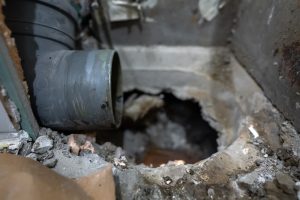
Tree roots are one of the most common causes of sewer problems for homeowners in Rhode Island and Southern Massachusetts. These underground invaders can work their way into your pipes over time, leading to slow drains, backups, and costly damage. Understanding how roots affect your plumbing helps you catch problems early and protect your home.
Why Tree Roots Seek Out Your Sewer Lines
Trees are constantly searching for water and nutrients. Your sewer lines provide both in abundance. Even the smallest crack or loose joint in a pipe releases moisture and organic material into the surrounding soil. Roots can detect these traces from several feet away. Once they find the source, they grow toward it with surprising determination.
The warm temperatures inside sewer pipes also attract root growth, especially during colder months. In our New England climate, the contrast between cold soil and warm pipes creates condensation on the exterior of your lines. This moisture acts like a beacon for thirsty root systems.
Older homes throughout Providence, Fall River, and surrounding communities often have clay or cast iron pipes. These materials develop cracks and gaps over decades of use. Tree roots exploit these weaknesses easily. Even newer PVC pipes can become vulnerable if joints werent properly sealed during installation.
How Root Intrusion Creates Indoor Drain Problems
You might wonder how something happening underground can affect the drains inside your home. The connection is direct and often dramatic. When roots enter your sewer line, they create a partial blockage. Hair, grease, paper products, and other debris catch on the root mass. This buildup grows larger over time.
At first, you might notice your drains running a bit slower than usual. The toilet might gurgle after you run the washing machine. Water could pool in your shower longer than it should. These early warning signs often get dismissed as minor annoyances.
As the blockage worsens, problems escalate. Multiple drains in your home may back up simultaneously. This happens because they all connect to the same main sewer line. Raw sewage can eventually come up through floor drains or the lowest fixtures in your house. Nobody wants to deal with that situation.
Common Signs of Root Damage in Your Sewer Line
Recognizing sewer problems early can save you thousands of dollars in repairs. Pay attention to these warning signs throughout your home.
Slow drains in multiple fixtures often indicate a main line issue rather than individual clogs. If your kitchen sink, bathroom drains, and toilet all seem sluggish, roots might be the culprit. Gurgling sounds from your toilet when other fixtures drain suggest air is getting trapped somewhere in the system.
Frequent clogs that keep coming back despite your efforts point to a deeper problem. You can plunge and snake individual drains all day, but if roots are blocking the main line, those clogs will return. Foul odors coming from drains or your yard near the sewer line deserve immediate attention.
Some homeowners notice unusually green patches of grass above their sewer line. Leaking sewage actually fertilizes the lawn. You might also see sinkholes or soft spots in your yard where pipes have collapsed.
A Story from the Field
Last spring, we got a call from a homeowner in Warwick who had been fighting slow drains for months. She had tried every store bought solution and called two other plumbers who snaked the line temporarily. When we ran our camera through the pipe, we found something remarkable. A massive root ball had formed about thirty feet from the house, right where an old maple tree stood. The roots had completely filled a two foot section of clay pipe. We could see smaller roots branching out like a dense net, catching everything that tried to pass through. After we cleared the blockage and lined the damaged section, her drains worked perfectly again. She told us she had forgotten what normal drainage even felt like.
Which Trees Cause the Most Damage
Not all trees pose equal risks to your sewer system. Some species have aggressive root systems that travel far from the trunk in search of water. Willows are notorious for seeking out pipes. Silver maples, poplars, and elms also cause frequent problems.
Oak trees have extensive root systems but tend to grow deeper rather than spreading toward pipes near the surface. Still, no tree is completely safe if your sewer line runs close to its root zone.
When planting new trees on your property, consider their mature root spread. Most experts recommend keeping large trees at least ten feet from sewer lines. Some fast growing species need even more distance. Your local nursery can help you choose varieties that wont threaten your plumbing down the road.
Options for Sewer Line Repair
When roots damage your sewer line, you have several repair options depending on the severity. Minor intrusions can sometimes be cleared with professional hydro jetting. This process uses high pressure water to cut through roots and flush debris from the pipe. Its effective but usually temporary since roots will grow back.
For more serious damage, trenchless pipe lining offers a modern solution. This technique creates a new pipe inside your existing one without digging up your entire yard. The seamless liner prevents future root intrusion and can extend the life of your sewer system by decades.
Traditional excavation and pipe replacement remain necessary in some cases. When pipes have collapsed or sustained severe damage, removing and replacing sections may be the only option. A professional inspection helps determine which approach makes the most sense for your situation.
Preventing Future Root Problems
As the Scottish saying goes, an ounce of prevention is worth a pound of cure. This wisdom applies perfectly to sewer maintenance. Regular inspections catch root intrusion before it causes major damage. A camera inspection every few years gives you peace of mind and helps you plan for any needed repairs.
Some homeowners use chemical root killers as a preventive measure. These products can slow root growth near your pipes but wont solve existing problems. They work best as part of an ongoing maintenance routine after professional cleaning.
If you know trees grow near your sewer line, consider scheduling preventive maintenance more frequently. Catching small root intrusions early means simpler and less expensive solutions.
Protecting Your Rhode Island Home
Living in Rhode Island and Southern Massachusetts means dealing with mature trees throughout our neighborhoods. These beautiful trees add value and character to our communities. They also create ongoing challenges for homeowners trying to maintain their plumbing systems.
Understanding the connection between outdoor trees and indoor drain problems helps you stay ahead of potential issues. Quick action at the first sign of trouble prevents small problems from becoming emergencies. Professional sewer line repair restores proper function and protects your home from sewage backups and water damage.
If you have signs of clogged or broken pipes, and your home or property is in Rhode Island or Southeastern Massachusetts, contact Royal Flush to schedule an inspection.