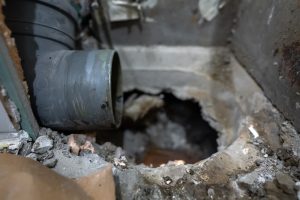
Drain problems can start small and quickly turn into major headaches for homeowners. Knowing the warning signs early can save you thousands of dollars in repairs and protect your property from serious damage. This guide covers the key indicators that something is wrong with your drains and when you need professional help.
Slow Drains Are More Than a Nuisance
You might think a slow drain is just annoying. Most people grab a plunger or pour some chemical cleaner down the pipe and move on. But slow drains throughout your home often point to something bigger happening underground.
When one drain runs slow, you probably have a localized clog. Hair, soap buildup, or grease might be the culprit. However, when multiple drains in your home start acting up at the same time, you could be dealing with sewer problems that affect your main line.
Your main sewer line carries all the wastewater from your home to the municipal system or your septic tank. When this line gets blocked or damaged, every drain in your house feels the effect. Pay attention to patterns. If your kitchen sink, bathroom shower, and basement floor drain all seem sluggish, it is time to call a professional for an inspection.
Strange Sounds Coming From Your Pipes
Healthy plumbing systems are relatively quiet. When you start hearing gurgling, bubbling, or sucking sounds from your drains, something is interfering with normal water flow.
These sounds happen when air gets trapped in your pipes. A blockage downstream creates pressure changes that force air through the water in your drain traps. You might notice these noises when you flush a toilet, run the washing machine, or use the dishwasher.
Gurgling sounds from one fixture when you use another are especially concerning. This often indicates a partial blockage in your main line. Left untreated, partial blockages usually become complete blockages. That is when raw sewage can back up into your home.
Unpleasant Odors You Cannot Explain
Sewer gas has a distinct rotten egg smell that is hard to ignore. If you notice this odor in your home, especially near drains or in your basement, you have a problem that needs attention.
Normally, the water in your drain traps creates a seal that prevents sewer gases from entering your living space. When you smell sewage, something has broken that seal. Dried out traps, cracked pipes, or damaged vent stacks can all let these gases escape.
Do not dismiss these odors as temporary. Sewer gas contains methane and hydrogen sulfide. Both pose health risks with prolonged exposure. The smell also indicates that your sewer system is not functioning properly and likely needs sewer line repair.
Water Backing Up in Unexpected Places
One of the clearest signs of a serious drain problem is water appearing where it should not be. When you flush a toilet and water bubbles up in your shower drain, your main line is blocked. When you run the washing machine and water seeps up through a basement floor drain, you have a major issue.
These backups happen because wastewater has nowhere to go. It takes the path of least resistance, which often means coming up through the lowest drains in your home. Basement drains and first floor fixtures usually show problems first.
We responded to a call last winter from a homeowner in Warwick who noticed water pooling around their basement floor drain. They assumed it was condensation from their furnace. By the time they called us, the backup had spread across half their basement. Our camera inspection revealed a collapsed section of clay pipe about forty feet from the house. Tree roots had infiltrated the old pipe and eventually caused it to fail completely. The homeowners needed emergency sewer line repair before they could use any water in their home.
Lush Patches in Your Yard
Your lawn can tell you a lot about what is happening underground. If you notice one area of grass that looks greener and grows faster than the rest, you might have a leaking sewer line.
Raw sewage is essentially fertilizer. When your sewer pipe cracks or develops holes, wastewater seeps into the surrounding soil. Plants love this extra nutrition. You might also notice soggy spots, sinkholes, or areas where the ground seems softer than it should be.
These signs often appear gradually. Pay attention to changes in your yard, especially along the path between your house and the street. That is typically where your main sewer line runs. Early detection of drainage issues can prevent a small leak from becoming a catastrophic failure.
What Causes Serious Drain Problems
Understanding why sewer problems develop helps you know what you are dealing with. Several common factors affect homes in Rhode Island and Southern Massachusetts.
Tree roots are one of the biggest threats. Roots seek out moisture and nutrients. Your sewer line provides both. Roots can enter through tiny cracks or loose joints, then grow until they completely block the pipe.
Age matters too. Many homes in our region have original clay or cast iron pipes that are fifty, sixty, or even a hundred years old. These materials deteriorate over time. Clay pipes crack and separate. Cast iron corrodes from the inside out.
Ground movement is another factor. Freeze and thaw cycles, settling soil, and construction activity can all shift pipes out of alignment. Even small movements can create low spots where debris accumulates or joints where roots can enter.
As the Scottish saying goes, a stitch in time saves nine. This wisdom applies perfectly to drain maintenance. Addressing small issues before they grow prevents expensive emergencies.
When to Call for Professional Help
Some drain problems respond to basic troubleshooting. A plunger might clear a toilet clog. A drain snake might remove hair from a bathroom sink. But when you notice multiple warning signs or problems keep coming back, you need professional evaluation.
Modern sewer inspection technology lets us see exactly what is happening inside your pipes. A small camera travels through your drain system and shows us cracks, blockages, root intrusion, and pipe damage in real time. This information helps us recommend the right solution for your specific situation.
Sometimes cleaning is enough. Other times, sewer line repair or replacement is necessary. Either way, knowing what you are dealing with is the first step toward fixing it.
Protect Your Home and Your Investment
Your home is likely your biggest investment. Sewer problems can cause extensive damage to your foundation, landscaping, and interior spaces. Raw sewage backup creates health hazards and can ruin flooring, drywall, and personal belongings.
Regular maintenance and prompt attention to warning signs protect your property and your family. Do not wait until water is backing up into your basement or sewage is pooling in your yard. By then, you are dealing with an emergency rather than a repair.
Pay attention to your drains. Notice the small changes. Act quickly when something seems wrong. Your future self will thank you for avoiding the stress, expense, and disruption of a major sewer failure.
If you have signs of clogged or broken pipes, and your home or property is in Rhode Island or Southeastern Massachusetts, contact Royal Flush to schedule an inspection.