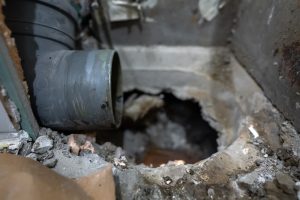
Soap scum buildup is one of the most overlooked causes of serious drain and sewer problems in residential plumbing systems. Most homeowners in Rhode Island and Southern Massachusetts never consider that their daily showers and hand washing could be slowly choking their pipes. Understanding how soap scum accumulates and what you can do about it will help you avoid costly sewer line repair down the road.
What Is Soap Scum and How Does It Form
Soap scum is the white or gray film you see on your shower doors and bathtub walls. It forms when soap mixes with minerals in hard water, creating a sticky residue that clings to surfaces. While you can wipe it off your bathroom fixtures, the same substance builds up inside your pipes where you cannot see it or reach it.
The water in Rhode Island and Southern Massachusetts contains varying levels of calcium and magnesium. When these minerals combine with fatty acids in bar soap and some liquid soaps, they create calcium stearate and other compounds. These substances do not dissolve easily in water. Instead, they stick to pipe walls and accumulate over time.
Every time you wash your hands, take a shower, or do laundry, small amounts of soap residue flow down your drains. Day after day, year after year, these thin layers build up into thick deposits that narrow your pipes significantly.
Why Soap Scum Causes Serious Sewer Problems
You might think soap would help keep your pipes clean since it cleans everything else. This is a common misconception. Soap scum actually creates the perfect foundation for other debris to attach to your pipe walls.
Hair gets caught in the sticky residue. Dirt and skin cells accumulate. Grease and food particles from kitchen drains add to the buildup. Before long, you have a complex clog that water struggles to pass through. These blockages often occur deep in your plumbing system where they affect your main sewer line.
Soap scum also provides an ideal environment for bacteria to grow. This bacterial growth creates a slimy biofilm that makes the buildup even stickier and harder to remove. The combination of soap residue, organic matter, and bacterial growth can eventually lead to complete blockages that require professional intervention.
A Lesson from the Field
Last spring, our team responded to a call from a homeowner in Warwick who was experiencing slow drains throughout the house. She mentioned she had lived there for twenty two years and never had the main line cleaned. When we ran our camera through the sewer line, we discovered the pipe diameter had been reduced by nearly fifty percent due to soap scum accumulation. The buildup was so thick and hardite looked like the inside of a cave with stalactites. We used hydro jetting to remove the deposits and restored full flow to the system. The homeowner was amazed at the difference and wished she had called us years earlier.
Warning Signs of Soap Scum Buildup
Catching soap scum problems early can save you from expensive sewer line repair. Watch for these indicators that your pipes may have significant buildup.
Multiple slow drains are a major red flag. When your bathroom sink, shower, and tub all drain slowly, the problem likely exists deeper in your system rather than at individual fixtures. You might also notice gurgling sounds when water drains or unpleasant odors coming from your drains.
Water backing up in one fixture when you use another is another warning sign. For example, if water comes up in your bathtub when you flush the toilet, you probably have a blockage in your main drain line. Standing water in your basement floor drain or sewage odors in your yard could indicate sewer problems that need immediate attention.
Preventing Soap Scum Buildup in Your Home
Prevention is always easier and cheaper than dealing with clogs after they form. Here are practical steps you can take to minimize soap scum accumulation in your pipes.
Consider switching from bar soap to liquid body wash. Liquid soaps contain synthetic detergents that do not react with hard water minerals the same way traditional soap does. They rinse away more completely and leave less residue in your pipes.
Installing a water softener addresses the problem at its source. Soft water does not create soap scum because the calcium and magnesium have been removed. This protects your pipes while also making cleaning your bathroom fixtures much easier.
Run hot water for thirty seconds after each shower or bath. Hot water helps dissolve and flush away soap residue before it can solidify on pipe walls. You should also flush your drains with hot water weekly to help keep them clear.
A monthly treatment with enzymatic drain cleaner can help break down organic buildup including soap scum. These products use natural bacteria to digest the residue without harming your pipes. Avoid chemical drain cleaners as they can damage older pipes and create additional problems.
Professional Solutions for Existing Buildup
If you already have significant soap scum accumulation, professional cleaning is the most effective solution. Our team at Royal Flush uses hydro jetting technology to remove stubborn buildup from pipe walls.
Hydro jetting uses highly pressurized water to scour the inside of your pipes. The force of the water breaks apart soap scum, grease, and other deposits while flushing everything out of your system. This method is safe for most pipe materials and leaves your drains flowing like new.
As the Scottish saying goes, a stitch in time saves nine. Regular professional maintenance can prevent small buildup from becoming major blockages. We recommend having your main sewer line inspected and cleaned every few years, especially if you have an older home with original plumbing.
When soap scum buildup has caused pipe damage, you may need more extensive sewer line repair. Our trenchless pipe lining services can restore damaged pipes without digging up your yard. This modern approach saves time and money while giving you a like new pipe inside your existing one.
Why Local Expertise Matters
Working with a local company that understands the specific conditions in Rhode Island and Southern Massachusetts makes a difference. We know the water quality in different communities and how it affects plumbing systems. We understand the soil conditions and how they impact sewer lines. Our technicians have experience with the types of pipes commonly found in homes throughout the region.
Every home is different. The age of your plumbing, the materials used, and your water usage habits all play a role in how quickly soap scum builds up. A professional inspection can tell you exactly what is happening inside your pipes and what steps will keep them flowing freely.
Do not wait until you have a complete blockage or sewer backup to address soap scum buildup. Taking action now protects your home and saves you from emergency repairs later. If you have signs of clogged or broken pipes, and your home or property is in Rhode Island or Southeastern Massachusetts, contact Royal Flush to schedule an inspection.