Knowing what to put down your drain can save you thousands of dollars in repairs and prevent serious sewer problems in your Rhode Island or Southern Massachusetts home. Many homeowners unknowingly flush or rinse items that cause major blockages over time. This guide covers the most common culprits and how to protect your plumbing system year round.
Why Rhode Island Drains Need Extra Care
Homes throughout Rhode Island and Southern Massachusetts face unique plumbing challenges. Many properties in Providence, Warwick, Fall River, and surrounding communities have older sewer systems. Some date back several decades. These aging pipes are more susceptible to damage from improper disposal habits.
Our coastal climate also plays a role. Temperature fluctuations between seasons cause pipes to expand and contract. This makes them more vulnerable to clogs and cracks when you add problematic materials to the mix. Prevention is always easier than dealing with sewer problems after they develop.
Grease and Cooking Oils
Grease is the number one enemy of your home’s drain system. When you pour hot bacon grease, cooking oil, or fatty liquids down the sink, they seem to flow away easily. But as they cool in your pipes, they solidify and stick to the pipe walls.
Over time, these deposits build up and narrow the pipe opening. Other debris sticks to the grease and creates stubborn blockages. Eventually, you may need sewer line repair to fix the damage caused by years of grease buildup.
Instead, pour cooled grease into a container and throw it in the trash. Wipe greasy pans with a paper towel before washing them. Your pipes will thank you.
Coffee Grounds and Eggshells
Many people believe coffee grounds are fine for drains because they seem small and harmless. This is a common misconception. Coffee grounds clump together when wet and create a dense, sludgy mass inside your pipes. They collect at bends and joints where water flow slows down.
Eggshells cause similar issues. The thin membrane inside the shell can wrap around other debris and create tough clogs. The shells themselves break into tiny sharp pieces that catch on pipe walls and trap passing waste.
Compost these items instead. Your garden will benefit and your plumbing will stay clear.
Flushable Wipes and Hygiene Products
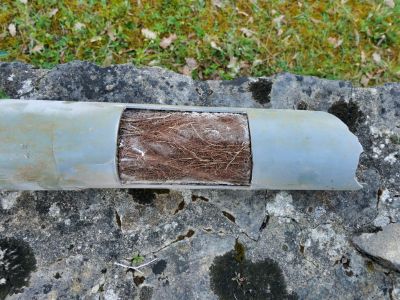
Here is a truth every plumber wishes more homeowners understood. Flushable wipes are not truly flushable. They may go down the toilet, but they do not break apart like toilet paper. These wipes travel through your pipes and accumulate at joints, tree root intrusion points, and other trouble spots.
We had a call last spring from a homeowner in Cranston who was dealing with repeated backups. When we inspected the sewer line, we found a massive wad of so called flushable wipes tangled with tree roots about forty feet from the house. The homeowner had no idea their daily bathroom habit was causing such severe sewer problems. The blockage required professional removal and some minor pipe repair.
Feminine hygiene products, cotton balls, cotton swabs, and dental floss should never go down the drain either. Always use the trash can for these items.
Food Scraps and Produce Stickers
Even homes with garbage disposals should limit what goes down the kitchen sink. Fibrous foods like celery, asparagus, and corn husks wrap around disposal blades and create stringy clogs further down the line. Starchy foods like pasta, rice, and potato peels expand with water and form a thick paste that blocks pipes.
Those tiny stickers on fruits and vegetables are another hidden hazard. They do not dissolve in water. They float through your plumbing and stick to pipe walls, grease deposits, and other buildup. Over time, they contribute to blockages that require professional cleaning or even sewer line repair.
Scrape plates into the garbage or compost bin before rinsing dishes.
Hair and Soap Residue
Bathroom drains face their own set of challenges. Hair is one of the most common causes of shower and tub clogs. It binds with soap residue and creates tangled masses that grow larger over time.
Use drain screens or hair catchers in your shower and tub. Clean them regularly. This simple habit prevents most bathroom drain blockages.
Soap scum also builds up inside pipes, especially in homes with hard water. Consider using liquid soap products that rinse away more cleanly. If you notice slow drains, address them promptly before they become complete blockages.
Chemicals and Medications
Never pour household chemicals, paint, solvents, or automotive fluids down any drain. These substances can damage your pipes and create hazardous conditions in the sewer system. They also harm the environment when they reach treatment facilities or leach into groundwater.
Medications pose similar risks. Flushing pills or liquid medicines introduces pharmaceuticals into the water supply. Many Rhode Island communities have medication take back programs for safe disposal. Check with your local pharmacy or town hall for options.
Signs You May Have Drain or Sewer Problems
Even with careful habits, sewer problems can develop. Watch for these warning signs in your Rhode Island home.
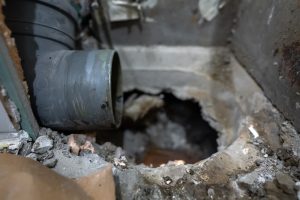
Slow drains in multiple fixtures often indicate a main line issue. Gurgling sounds from toilets or drains suggest air is trapped by a blockage. Unpleasant odors coming from drains may mean waste is backing up somewhere in the system. Wet spots in your yard, especially near the sewer line path, could signal a cracked or broken pipe.
If you notice any of these symptoms, do not wait to seek help. Small problems become expensive repairs when ignored. A sewer camera inspection can identify exactly what is happening inside your pipes.
Protecting Your Plumbing for the Long Term
As the Scottish saying goes, an ounce of prevention is worth a pound of cure. This wisdom applies perfectly to home plumbing maintenance. Taking small steps now saves you from major headaches later.
Schedule regular drain cleaning to remove buildup before it causes blockages. Consider an annual sewer line inspection, especially if your home is more than thirty years old. Educate everyone in your household about what should and should not go down drains.
If tree roots have entered your sewer line or you have older pipes showing wear, trenchless pipe lining offers a modern solution. This method repairs damaged pipes without digging up your yard, saving time and money while extending the life of your sewer system.
When to Call a Professional
Some drain issues respond to home remedies. A plunger or hand snake can clear minor clogs in individual fixtures. But when problems persist or affect multiple drains, professional help is the smart choice.
Attempting to clear serious blockages yourself can push debris deeper into the system or damage pipes. Chemical drain cleaners often make things worse by corroding pipe walls. Professionals have the tools and expertise to diagnose issues accurately and fix them properly.
Royal Flush Drain Cleaning serves homeowners throughout Rhode Island and Southern Massachusetts with honest assessments and reliable solutions. We understand the local plumbing challenges and know how to address them effectively.
If you have signs of clogged or broken pipes, and your home or property is in Rhode Island or Southeastern Massachusetts, contact Royal Flush to schedule an inspection.