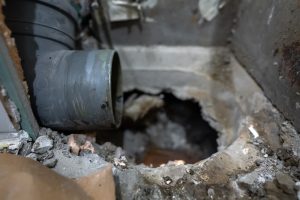
A smelly bathroom drain is more than just an unpleasant nuisance. It can signal underlying plumbing problems that need attention before they become costly repairs. This guide covers the most common causes of drain odors and practical solutions that homeowners in Rhode Island and Southern Massachusetts can use to fix them.
The Most Common Causes of Bathroom Drain Odors
That foul smell coming from your bathroom drain usually has a straightforward explanation. Understanding the cause helps you determine whether you can handle the fix yourself or need professional drain cleaning services.
The most frequent culprit is a dried out P-trap. This curved section of pipe beneath your sink holds water that creates a seal against sewer gases. When a bathroom goes unused for a while, the water evaporates. Without that water barrier, gases from your sewer line drift up through the drain and into your bathroom.
Biofilm buildup is another common problem. Hair, soap residue, toothpaste, and skin cells accumulate on the inside walls of your drain pipes over time. Bacteria feed on this organic matter and produce hydrogen sulfide gas. Thats the rotten egg smell many homeowners notice.
A clogged drain can also create odors. When debris blocks the flow of water, standing water becomes stagnant. Bacteria thrive in these conditions. The deeper the clog, the worse the smell tends to get.
How Your Bathroom Habits Contribute to Drain Smells
Your daily routines play a significant role in drain health. Long hair going down the shower drain combines with soap scum to form stubborn clogs. Whisker trimmings in the sink collect along pipe walls. Even products marketed as flushable can contribute to problems further down the line.
Neglecting regular maintenance allows small issues to become big ones. A drain that flows slowly today might smell terrible next month. Staying ahead of these problems saves you time, money, and the embarrassment of a smelly bathroom.
Simple DIY Fixes You Can Try First
Before calling a professional, try these straightforward solutions that often resolve minor odor issues.
Run water in unused drains. If you have a guest bathroom or secondary sink that doesnt get daily use, run water for about 30 seconds each week. This keeps the P-trap full and maintains the seal against sewer gases.
Clean the drain stopper. Pop up stoppers in bathroom sinks collect a surprising amount of gunk. Remove yours, clean off the buildup, and replace it. This simple step often makes a noticeable difference.
Flush with hot water and dish soap. Boil a pot of water, let it cool for a minute, then pour it down the drain along with a squirt of dish soap. The hot water helps dissolve soap scum while the detergent cuts through grease.
Try baking soda and vinegar. Pour half a cup of baking soda down the drain, followed by half a cup of white vinegar. Let it fizz for 15 minutes, then flush with hot water. This natural approach works well for light buildup and minor odors.
When to Call a Professional for Drain Cleaning
DIY methods have their limits. Persistent odors, recurring clogs, or multiple smelly drains often indicate deeper issues that require professional attention.
Last winter, our team responded to a call from a homeowner in Warwick who had tried everything to eliminate a bathroom smell. She had cleaned the stopper, flushed the drain repeatedly, and even poured commercial cleaners down the pipe. Nothing worked. When we ran our camera inspection, we discovered a partial blockage about 15 feet into the line where years of buildup had narrowed the pipe significantly. A thorough professional cleaning solved the problem completely.
Professional drain cleaning removes buildup that household methods cant reach. Our technicians use specialized equipment to clear pipes thoroughly without damaging them. Hydro jetting services use high pressure water to scour pipe walls clean, eliminating the source of odors rather than just masking them.
Signs of More Serious Plumbing Problems
Sometimes a smelly drain indicates something more serious than simple buildup. Pay attention to these warning signs that suggest you might have a bigger issue.
Multiple drains smelling at once usually points to a problem in your main sewer line rather than individual fixture drains. Gurgling sounds when water drains can indicate venting issues or blockages. Slow drainage throughout your home suggests a systemic problem.
If you notice sewage smells accompanied by wet spots in your yard or foundation, you might have a cracked or broken sewer line. These situations require prompt professional inspection to prevent property damage and health hazards.
A clogged drain that returns quickly after cleaning might indicate root intrusion, pipe damage, or other structural issues. In Rhode Island and Southern Massachusetts, older homes often have clay or cast iron pipes that deteriorate over time. Tree roots seek out the moisture in these aging pipes and can create persistent blockages.
Preventing Future Drain Odors
Prevention beats repair every time. Establishing good habits keeps your drains flowing freely and smelling fresh.
Use drain screens in showers and tubs to catch hair before it enters the pipe. Clean these screens weekly. The few seconds it takes prevents hours of dealing with a clogged drain later.
Avoid pouring grease or oil down bathroom sinks. While this is more common in kitchens, facial oils and cosmetic products can contribute to buildup in bathroom drains too.
Schedule regular professional maintenance. Annual or bi-annual drain cleaning keeps your pipes clear and gives technicians a chance to spot developing problems before they become emergencies. Contact our team to set up a maintenance schedule that works for your home.
As the Scottish saying goes, an ounce of prevention is worth a pound of cure. This wisdom applies perfectly to drain care. Small, consistent maintenance efforts prevent major plumbing headaches.
Understanding Your Home Plumbing System
Knowing the basics of how your drains work helps you identify problems early. Your bathroom fixtures connect to drain lines that lead to your main sewer line. This main line carries wastewater away from your home to the municipal sewer system or your septic tank.
Vent pipes allow air into the system to maintain proper pressure and let sewer gases escape through your roof. When vents become blocked by debris, nests, or ice, gases can back up into your home through drain openings.
P-traps under each fixture create water seals. The curved shape holds water even when the drain is not in use. This simple design has protected homes from sewer gases for over a century. But it only works when water remains in the trap.
Take Action on Smelly Drains
A smelly bathroom drain doesnt have to be something you just live with. Most odor problems have identifiable causes and practical solutions. Start with the simple DIY approaches outlined above. If those dont resolve the issue, professional drain cleaning provides a thorough solution that addresses the root cause.
Homeowners in Rhode Island and Southern Massachusetts deal with unique plumbing challenges. Older housing stock, seasonal temperature extremes, and high water tables all affect how drain systems perform. Working with a local company that understands these factors ensures you get effective solutions tailored to regional conditions.
If you have signs of clogged or broken pipes, and your home or property is in Rhode Island or Southeastern Massachusetts, contact Royal Flush to schedule an inspection.