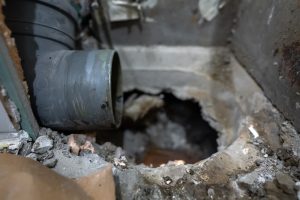
A slow or fully blocked bathtub drain is one of the most frustrating plumbing problems homeowners face. Standing in ankle deep water during a shower is not only annoying but can signal bigger issues within your plumbing system. Understanding why your tub won’t drain properly helps you take the right steps toward a solution and keeps your home’s plumbing working smoothly.
Common Causes of Bathtub Drainage Problems
Several culprits are usually responsible when your tub refuses to drain. Hair is the number one offender in most households. Every time you shower or bathe, loose strands wash down the drain and accumulate over time. These hair clumps combine with soap residue to form stubborn blockages that restrict water flow.
Soap scum buildup is another frequent cause. Traditional bar soaps contain fats that leave behind a sticky residue. This residue coats the inside of your pipes and gradually narrows the passage where water needs to flow. Over months and years, this buildup becomes significant enough to cause slow drainage.
Hard water deposits also contribute to drain problems, especially here in Rhode Island and Southern Massachusetts. Our region’s water contains minerals that leave scale deposits inside pipes. These deposits accumulate slowly but steadily reduce the diameter of your drain lines.
Sometimes the problem goes deeper than surface level blockages. Tree roots can infiltrate older sewer lines, particularly in homes built before the 1970s. Roots seek out moisture and nutrients, making your drain pipes an attractive target. Once inside, they grow and expand, creating serious obstructions that require professional drain cleaning to resolve.
Warning Signs You Shouldnt Ignore
Your bathtub usually gives you warning signs before drainage problems become severe. Paying attention to these early indicators can save you from more extensive repairs down the road.
Water draining slower than usual is the most obvious sign. If you notice water pooling around your feet during a shower when it never did before, something is restricting flow in your pipes. Gurgling sounds coming from the drain indicate air is being trapped by a partial blockage somewhere in the line.
Unpleasant odors rising from your drain suggest organic material is decomposing in your pipes. This often means a clogged drain has been building up for a while. Water backing up into the tub when you flush a nearby toilet or run the bathroom sink points to a blockage further down in your drain system.
Multiple slow drains throughout your home indicate a problem in your main sewer line rather than individual fixture drains. This situation requires immediate attention from a professional who specializes in drain cleaning services.
DIY Solutions and Their Limitations
For minor clogs near the drain opening, some home remedies can provide temporary relief. Removing the drain cover and pulling out visible hair and debris is a good first step. A simple mixture of baking soda and vinegar followed by hot water sometimes loosens minor soap scum buildup.
Plungers can work for shallow blockages if you create a good seal around the drain. Fill the tub with a few inches of water before plunging to help create better suction. A drain snake or auger from the hardware store can reach clogs several feet into the pipe.
However, these DIY methods have real limitations. Chemical drain cleaners might seem like an easy solution, but they often cause more harm than good. These harsh products can corrode older pipes and rarely clear tough blockages completely. They also pose health risks and environmental concerns.
As the Scottish saying goes, “What may be done at any time will be done at no time.” Putting off proper drain cleaning when DIY methods fail only allows the problem to worsen. What starts as a slow drain can eventually become a complete blockage requiring emergency service.
When Professional Help Becomes Necessary
Some drainage problems simply require professional equipment and expertise to solve. If your DIY efforts provide only temporary relief, or if the problem keeps returning, it is time to call in experienced technicians.
Last spring, our team received a call from a homeowner in Warwick whose bathtub had been draining slowly for months. She had tried every store bought solution and even rented a consumer grade snake. When we arrived and performed a video inspection, we discovered the real problem was a partially collapsed pipe section about fifteen feet from the tub. No amount of surface level cleaning would have solved her issue. This is exactly why professional diagnosis matters so much when dealing with persistent drainage problems.
Professional drain cleaning services use high powered hydro jetting equipment that clears stubborn buildup regular tools cannot touch. Video camera inspections allow technicians to see exactly what is happening inside your pipes without any guesswork. This technology identifies the precise location and nature of blockages, root intrusions, or pipe damage.
For older homes common throughout Rhode Island and Southern Massachusetts, professional inspection often reveals underlying issues like pipe deterioration or bellied sections where debris accumulates. Addressing these root causes prevents recurring problems and protects your homes plumbing system long term.
Preventing Future Drainage Issues
Taking preventive measures keeps your drains flowing freely and reduces the likelihood of a clogged drain causing problems. Installing a quality drain cover or hair catcher is one of the simplest and most effective steps you can take. Clean this screen weekly to prevent buildup.
Run hot water through your drains for a minute or two after each use. This helps wash away soap residue before it can accumulate on pipe walls. Once a month, flush your drains with boiling water to dissolve minor buildup.
Be mindful of what goes down your drains. Avoid washing large amounts of hair down the drain when cleaning brushes or trimming. Keep bath bombs and products with oils to a minimum, as these contribute to buildup faster than regular soap.
Consider scheduling annual professional drain inspections, especially if your home is more than thirty years old. Catching small problems before they become big ones saves money and prevents inconvenient emergencies.
Long Term Solutions for Persistent Problems
If your home experiences repeated drainage issues despite regular cleaning, the problem may be structural. Older cast iron or clay pipes common in New England homes deteriorate over time. Cracks, corrosion, and joint failures create rough surfaces where debris catches and accumulates.
Modern pipe lining technology offers a solution without the disruption of traditional replacement. This process creates a smooth new pipe surface inside your existing pipes, eliminating the rough spots where clogs form. It is an excellent option for homeowners who want to preserve their property while addressing ongoing drainage concerns.
Professional assessment helps determine whether cleaning, repair, or pipe rehabilitation is the right approach for your situation. Every home is different, and solutions should match the specific conditions of your plumbing system.
If you have signs of clogged or broken pipes, and your home or property is in Rhode Island or Southeastern Massachusetts, contact Royal Flush to schedule an inspection.