If you keep dealing with the same slow or stopped drains, you are not alone. Recurring drain clogs are one of the most common plumbing frustrations for homeowners in Rhode Island and Southern Massachusetts. Understanding what causes these persistent blockages can help you take the right steps to fix the problem for good.
Why Does Your Drain Keep Clogging?
A clogged drain that keeps coming back is trying to tell you something. Single clogs happen to everyone. But when you find yourself reaching for the plunger week after week, there is usually an underlying issue that needs attention. The problem often goes deeper than what you can see or reach from the surface.
Many homeowners assume that a quick fix will solve the problem. They pour chemical drain cleaners down the pipe or use a basic snake tool. These methods might provide temporary relief. However, they rarely address the root cause of recurring blockages. Professional drain cleaning offers a more thorough solution because it removes buildup throughout the entire pipe system.
Common Causes of Persistent Drain Problems
Several factors contribute to drains that clog repeatedly. Knowing what you are dealing with helps you choose the right solution.
Hair and soap residue create a sticky combination in bathroom drains. Each shower sends hair down the drain where it catches on rough spots inside the pipe. Soap scum binds everything together. Over time, this creates a stubborn mass that partially blocks water flow. You might clear some of it with a drain snake, but if the buildup extends deep into your pipes, the clog returns quickly.
Grease and food particles cause similar problems in kitchen drains. Cooking oils seem liquid when hot, but they solidify as they cool inside your pipes. Food scraps stick to this greasy coating. Even with a garbage disposal, small particles accumulate and create blockages. Running hot water helps, but it does not prevent buildup entirely.
Mineral deposits affect homes with hard water, which is common throughout Southern New England. Calcium and magnesium in your water supply leave scale inside pipes. This scale narrows the pipe diameter and creates rough surfaces where debris catches easily. The older your plumbing, the more significant this buildup becomes.
Tree Roots and Pipe Damage
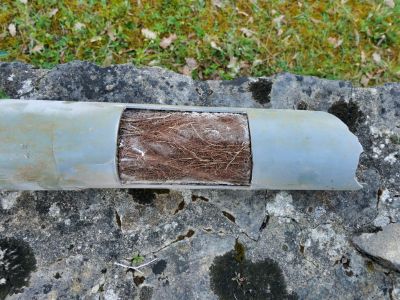
Sometimes the problem lies outside your home. Tree roots naturally seek water sources, and your sewer line provides exactly what they need. Small cracks or loose joints in older pipes allow roots to enter. Once inside, roots grow and spread. They catch debris flowing through the line and create serious blockages.
We had a customer in Warwick who called us three times in one year for the same clogged drain in her basement floor. Each time, a basic snaking cleared the immediate problem. On the third visit, we ran a camera inspection and found that tree roots from a large oak in her backyard had infiltrated the main sewer line. The roots had created multiple intrusion points along a 15 foot section. Once we addressed the root infiltration properly, her recurring problem finally stopped.
Pipe damage from age, settling, or ground movement also causes recurring issues. Cracked pipes, bellied sections where the pipe has sunk, and misaligned joints all trap waste and create blockages. These structural problems require professional pipe repair or lining to resolve permanently.
The Problem with DIY Solutions
Chemical drain cleaners seem convenient, but they come with significant downsides. The harsh chemicals that dissolve clogs also damage your pipes over time. Repeated use weakens pipe walls and can accelerate corrosion in metal pipes. For older homes in Rhode Island and Southern Massachusetts, where cast iron and clay pipes remain common, chemical cleaners often cause more harm than good.
Store bought drain snakes work for minor clogs near the drain opening. They cannot reach deep blockages or remove buildup along pipe walls. When the clog sits 20 or 30 feet down your line, you need professional equipment to reach it effectively.
As the Scottish saying goes, “What may be done at any time will be done at no time.” Putting off proper drain cleaning allows small problems to become major ones. Addressing recurring clogs promptly saves you money and prevents potential water damage to your home.
Professional Drain Cleaning Makes a Difference
Professional drain cleaning services use methods that homeowner tools simply cannot match. Hydro jetting uses high pressure water to scour pipe walls clean. This removes not just the immediate clog but also the buildup that causes future blockages. The result lasts much longer than basic snaking.
Video camera inspections let technicians see exactly what is happening inside your pipes. This diagnostic tool reveals root intrusion, pipe damage, and buildup locations. Knowing the precise cause of your clogged drain means choosing the right repair method the first time.
Regular drain cleaning maintenance prevents many recurring problems before they start. Annual or biannual professional cleaning keeps pipes flowing freely and extends the life of your plumbing system.
Signs You Need Professional Help
Certain warning signs indicate that your drain problems require expert attention. Multiple slow drains throughout your home suggest a main line issue rather than individual clogs. Gurgling sounds from drains or toilets often mean air is trapped due to a blockage somewhere in the system.
Foul odors coming from drains point to debris decomposing in your pipes. Water backing up in unusual places, like shower drains when you flush the toilet, indicates a serious downstream blockage. These symptoms call for professional diagnosis and drain cleaning.
Older homes face higher risks for recurring drain issues. Pipes from the mid 20th century or earlier were not designed for modern water usage patterns. They may have deteriorated connections, root infiltration, or scale buildup that only professional cleaning and inspection can address.
Preventing Future Clogs
Good habits reduce how often you deal with clogged drain situations. Use drain screens in showers and tubs to catch hair before it enters the pipe. Wipe greasy pans with paper towels before washing them. Run cold water when using the garbage disposal to keep grease from coating pipes.
Never pour cooking oil or grease down any drain. Dispose of coffee grounds in the trash rather than the sink. Flush only toilet paper and human waste. These simple practices make a real difference in how your drains perform.
Consider scheduling annual sewer line inspections for older properties. Catching problems early prevents emergency situations and expensive repairs. Prevention costs far less than restoration after water damage.
When Recurring Clogs Signal Bigger Issues
Sometimes recurring drain clogs indicate that your pipes have reached the end of their useful life. Frequent backups despite professional cleaning may mean the pipes themselves need replacement or rehabilitation. Modern trenchless pipe lining offers a less disruptive alternative to traditional excavation and replacement.
Homes built before 1970 often have clay or cast iron sewer lines that deteriorate over time. These materials crack, corrode, and separate at joints. When cleaning no longer keeps drains flowing properly, pipe rehabilitation becomes the most practical solution.
If you have signs of clogged or broken pipes, and your home or property is in Rhode Island or Southeastern Massachusetts, contact Royal Flush to schedule an inspection.